

Why WLTP and real-world range differ, and tips for efficient driving.
Electric car ranges are measured with a standard test cycle called WLTP. This value allows a fair comparison between cars, but every driver's speed, temperature and usage conditions differ. To understand real range, you need to know the factors.
Example range table for the L3
| Condition | Estimated range |
|---|---|
| WLTP combined | 560 km |
| City, 20 °C | ≈ 600 km |
| Motorway 90 km/h, 20 °C | ≈ 520 km |
| Motorway 120 km/h, 20 °C | ≈ 430 km |
| Motorway 120 km/h, -5 °C (heating on) | ≈ 340 km |
Values are estimates based on internal test data and vary with load, wind, tyre type and altitude.
What affects range most?
- Speed: air resistance rises with the square of speed. Dropping from 120 km/h to 100 km/h increases range by about 15%.
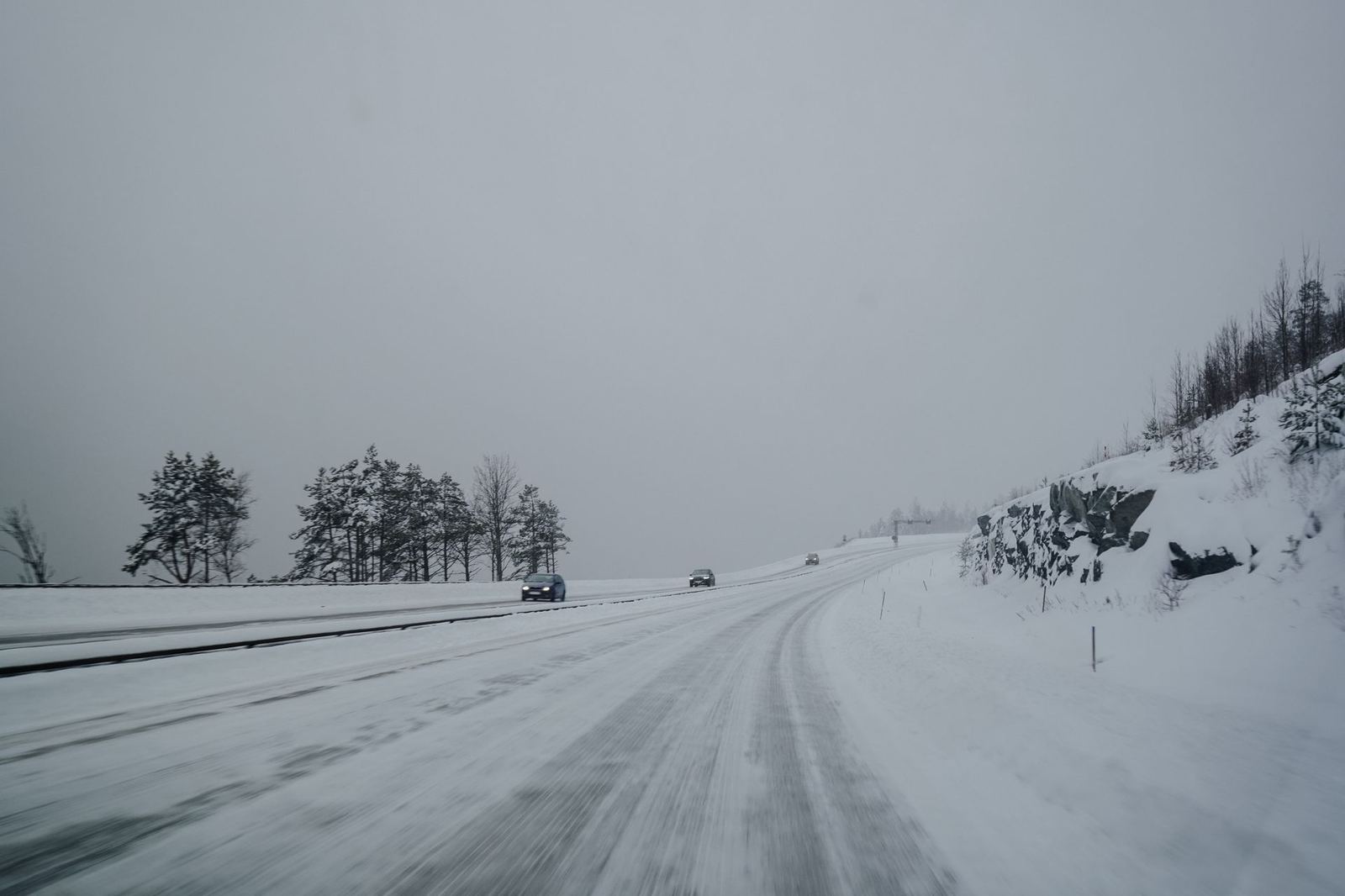
- Temperature: in the cold, battery chemistry slows and cabin heating uses energy. A heat pump and battery pre-conditioning cut the losses.
- A/C and heating: consumption can rise 5-10% with summer A/C and 15-25% with winter heating.
- Load and gradients: four adults and a full boot cost about 5%; long climbs cut range quickly, but regenerative braking recovers energy on the descent.
Tips for efficient driving
- Before setting off, while the car is plugged in, heat or cool the cabin (pre-conditioning).
- Keep regenerative braking high in town and low on the motorway.
- Keep tyre pressure at the recommended value; low pressure cuts range by 3-5%.
- Plan the route in navigation; the car calculates consumption from altitude and traffic.
Planning a long trip
Managing range anxiety
Much of range anxiety comes from a lack of information. The car predicts arrival percentage along the route and adds charging stops if needed; trusting these suggestions in the first week changes the habit. In daily use the average driver plans a charging stop only five or six times a year, and the rest of the time leaves each morning with a "full" car.
Towing and roof loads
A trailer or roof box increases air resistance; range can fall by 30-40% when towing. On long trips fit the roof box only when needed and remove the roof bars when not in use.
Quick summary
- 100 instead of 120 km/h on the motorway adds about 15% range
- A heat pump and battery pre-heating hold winter loss to 20-25%
- Check tyre pressure monthly
- On long trips plan charging stops in advance with navigation
Istanbul to Ankara is about 450 km. With the L3 at typical speeds it is easily done with one twenty-minute charging break. Our Lumen Hub stations are located along the route in Gebze, Bolu and Eskişehir.